From the packing table
How many valentines does a class need?
The short answer: the class list, plus two. Here is how we count it at our packing table.
- Start with the class list, not the grade
- Match the count to the box
- Choose the toy for the youngest child in the room
- Sign the night before, not the morning of
Start with the class list, not the grade
Class sizes run from about 18 in a small kindergarten to 32 or more in upper elementary. Ask the teacher for the list of first names: it gives you the number and the spelling in one go.
Then add two. One for the teacher, one for the child who joins the class the week before the party. There is one every year.
Match the count to the box
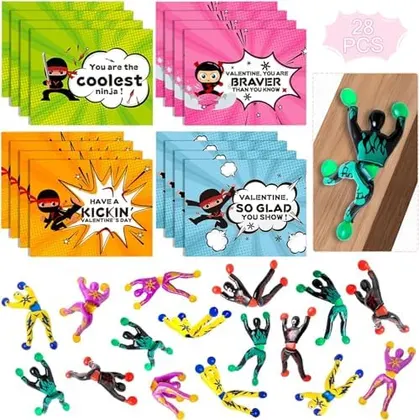
Our valentine sets come in boxes of 24, 28, 30, 32 and 36. Choose the first box that is equal to or bigger than your number. A class of 26 takes a 28; a class of 31 takes a 32.
Leftovers are not waste. They cover a sibling, a bus driver or the card that gets signed wrong on the first try.
Choose the toy for the youngest child in the room
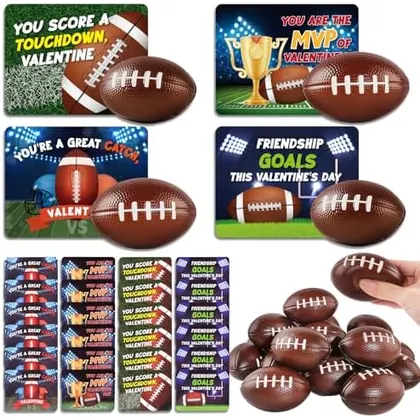
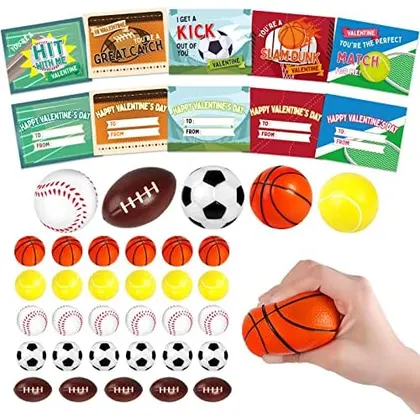
For preschool and kindergarten we suggest the bigger, softer toys: plush bears, foam sport balls and squeeze balls. Slime, slingshot dinosaurs and plaster dig kits are better from first grade up.
If the school has a no-candy rule, every set on our valentine shelf already follows it.
Sign the night before, not the morning of
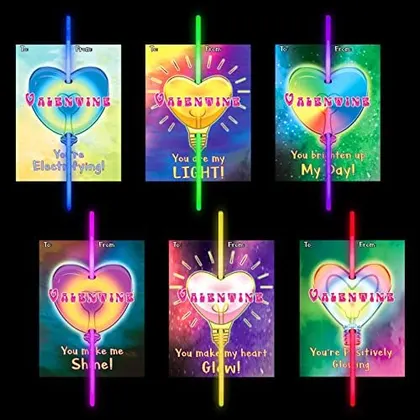
Each card has a To and a From line. Younger children can manage about six cards in a sitting, so start two evenings ahead and let them do it in rounds.